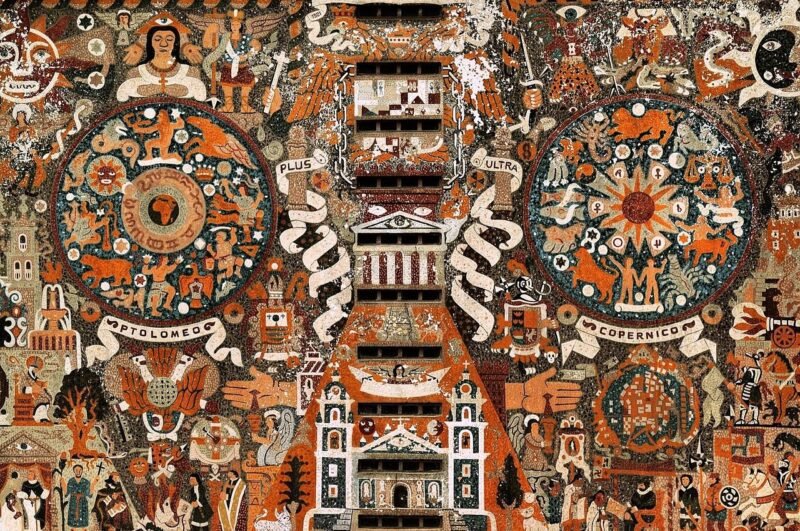

Innovation is a driving force in my life. It attracts me, ignites me, sometimes unsettles me.
And yet I keep wondering where authenticity takes refuge in an age when we can delegate almost everything — even writing.
This fragment was born from a walk between memory and technology.
University — Wednesday, November 17
Footprints in Time
When I struggle, I return to walk in front of the university.
It is a complicated time in the lab: results are not coming, and so I seek refuge in this photographic album of my life.
I see again the days of exams, the long nights of study, the hallways filled with euphoria and exhaustion.
I remember Beatrice, in a blue room of the Physics Department: a still, moonlit glow sliding across glass blackboards.
I don’t know why that scene still follows me.
Today, the garden was covered in golden leaves. November has a majestic, almost artistic way of dressing up ordinary things.
I thought that memory is like that: not an archive, but a breath.
The people, the loves, the places we have crossed do not vanish. They remain like footprints in time —
traces the heart keeps reading even when the mind forgets.
This morning I was reflecting again on the use of artificial intelligence in the creative process: reports at work, books written and delegated to algorithms.
Innovation, for me, is an almost mystical force: it sets my thoughts on fire, seduces me, unsettles me.
Not using it fully makes me feel inconsistent;
yet at the same time I ask myself:
in a world where pretending has become normal, where does authenticity take refuge?
We have a tremendous need for real things.
Perhaps this is what I look for when I return to the university: the same hunger for truth I felt as a student, moving from one group to another, from one seminar to the next, searching for something that resembled meaning.
Then I catch myself thinking that perhaps artificial intelligence is not so different from what happened years ago in music.
When electronics arrived, DJs began sampling, manipulating sounds, words, rhythms — layering them, slowing them down, accelerating them, repeating them.
Back then — a violin student as I was — I considered them technicians, not artists.
And yet today millions of people have been swept away by their productions, in love with their compositions.
No one worries anymore that they do not write every note from scratch on a blank score.
I don’t know.
For now, I will remain authentic.
Or perhaps, I should say, deliberately old-fashioned.
—
Excerpt from Nella carne, nel cuore.

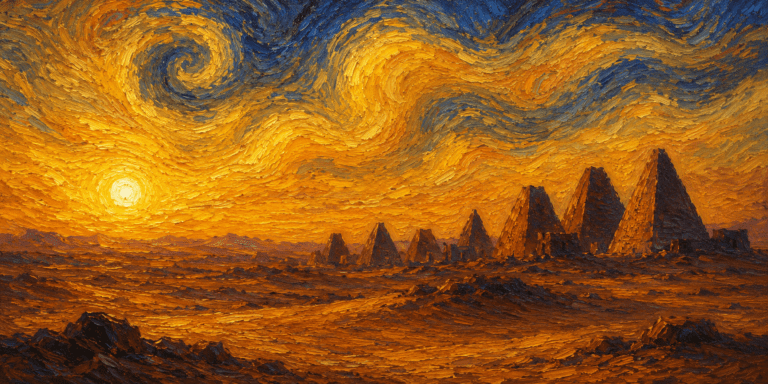
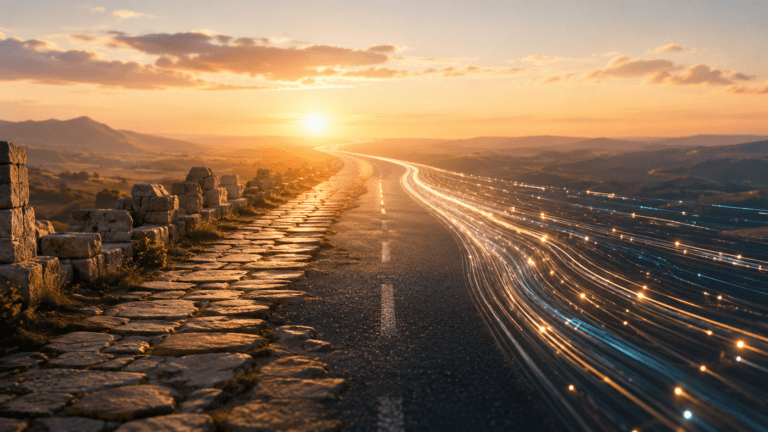
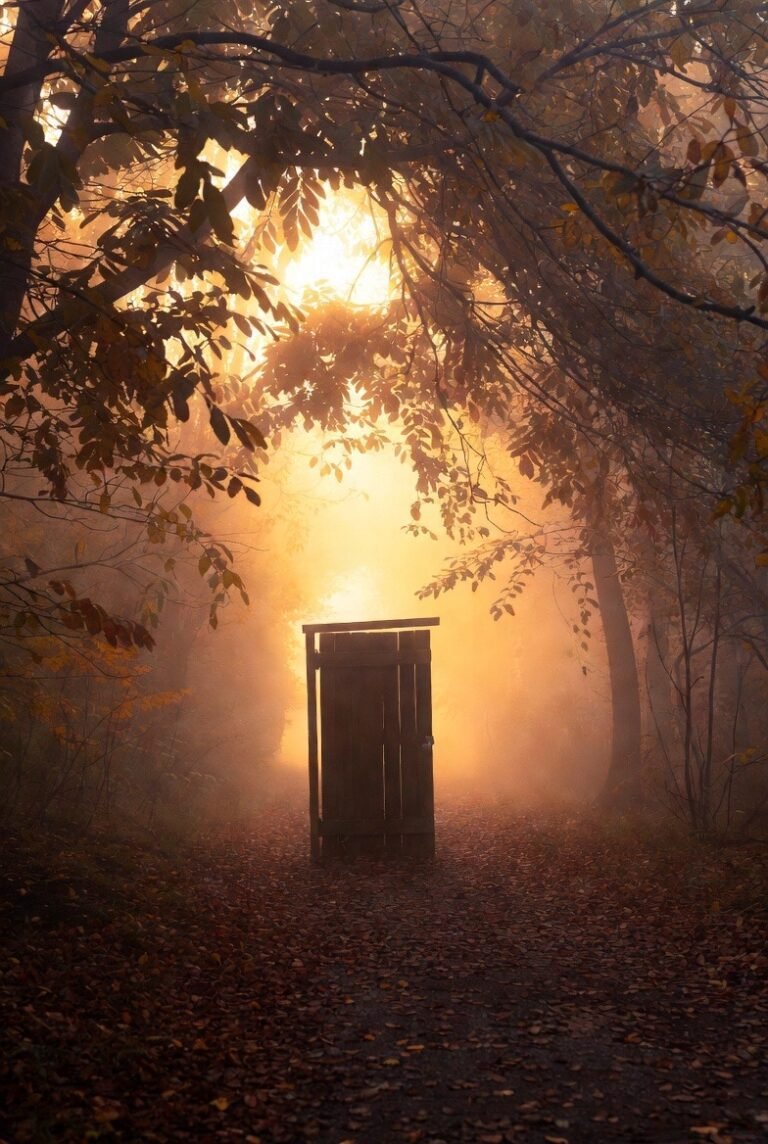
My memories of my University lawn come to be unbidden so often, in random places and with seemingly no connection. In one, I’m lying on the lawn with the African sun burning my skin, taking a few moments to rest before the next class. All that pressure; exams, assignments, the pain of an unsolved equation in the middle of the night, melting away for just a moment. I have worked with computers and have loved technology and making things better for most of my life. Yet, I still value the analog life. Simple moments in the sun, starting things from scratch, playing my recorder with a score printed on a real piece of paper placed on my music stand. And looking at a rev counter with a needle on my dashboard, or tinkering with the car with my Dad. Now you can’t even check your own oil. The travesty. I’m also okay with being old school.
Chris, your fragments of memory are beautiful and vivid. The African sun, the equation at midnight, your father and the car — these images are full of emotion. They may look like small moments, but they are dense — their simplicity is full of life.
In the excerpt you read, the protagonist walks through his university and each corner, each object becomes a photograph in an album — a way of reconnecting with who he once was. Your comment shows you felt exactly that.
These “analog moments” reconnect us with the truest parts of ourselves. Thank you for sharing in such a beautiful way!